
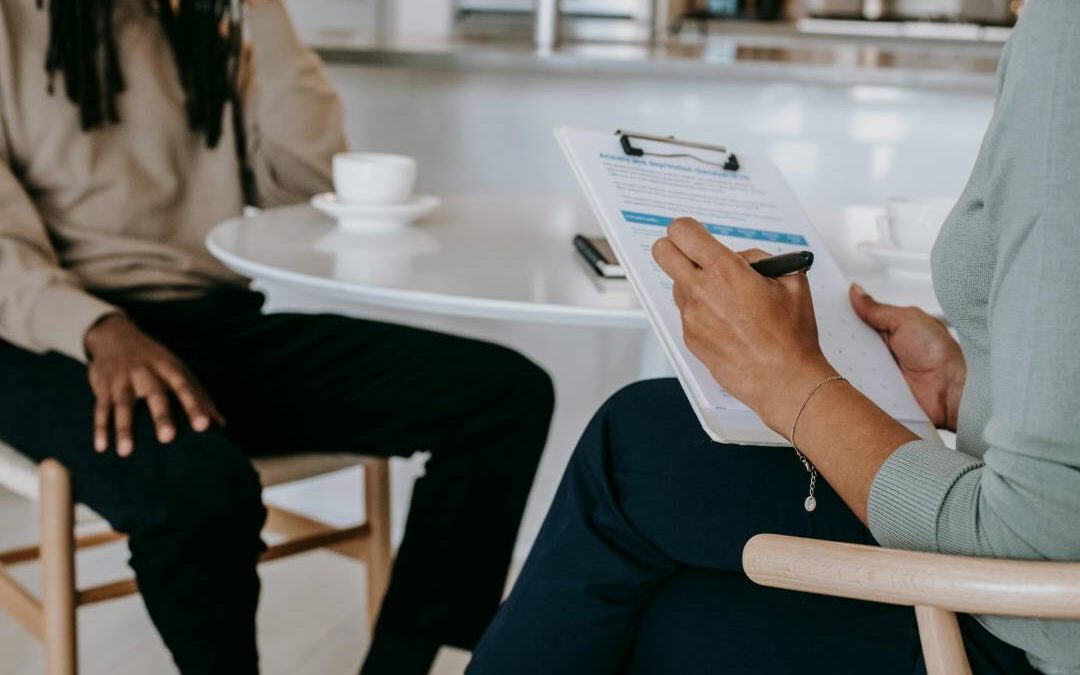
A job interview is more than a conversation about your resume—it’s your opportunity to demonstrate your skills, personality, and potential value to an employer. While your application may help you secure an interview, your performance during the interview often determines whether you receive a job offer.
Today’s hiring process is more competitive than ever. Employers don’t just evaluate technical qualifications; they also assess communication skills, problem-solving abilities, adaptability, teamwork, and cultural fit. Candidates who prepare thoroughly are more likely to answer confidently, make a positive impression, and stand out from other applicants.
Fortunately, interview skills can be learned and improved. With the right preparation, you can reduce stress, communicate more effectively, and significantly increase your chances of success.
This guide shares ten practical interview tips that will help you prepare, perform confidently, and leave a lasting impression on hiring managers.
Tip 1: Research the Company Thoroughly
One of the biggest mistakes candidates make is attending an interview without learning about the company.
Recruiters expect applicants to understand at least the basics before the interview begins.
Take time to research:
- The company’s products or services
- Its mission and values
- Industry and competitors
- Company culture
- Recent news or achievements
- The department you’re applying to
This preparation allows you to answer questions more confidently and explain why you’re interested in working for the organization.
Why It Matters
When you demonstrate knowledge about the company, employers see that you’re genuinely interested in the opportunity rather than simply applying to every available position.
Tip 2: Study the Job Description Carefully
The job description provides valuable clues about what the employer is looking for.
Review it several times before the interview and identify:
- Required technical skills
- Daily responsibilities
- Preferred qualifications
- Soft skills
- Tools or software mentioned
- Experience requirements
Prepare examples from your previous experience that demonstrate these qualifications.
For example, if teamwork is emphasized, think of a project where you collaborated successfully with colleagues to achieve a common goal.
Tip 3: Practice Common Interview Questions
Although every interview is different, many employers ask similar questions.
Practice answering questions such as:
- Tell me about yourself.
- Why do you want this job?
- Why should we hire you?
- What are your strengths?
- What is one area you’re working to improve?
- Describe a challenge you’ve overcome.
- Tell me about a successful project.
- Where do you see yourself in five years?
Avoid memorizing responses word for word. Instead, focus on understanding the key points you want to communicate naturally.
Practicing aloud can help improve your confidence, speaking pace, and clarity.
Tip 4: Use the STAR Method
Behavioral interview questions often begin with phrases such as:
- Tell me about a time when…
- Describe a situation where…
- Give an example of…
A simple way to structure your answers is the STAR Method.
Situation
Briefly describe the context.
Task
Explain your responsibility.
Action
Describe the steps you took.
Result
Share the outcome and what you learned.
Example
Question: Tell me about a time you solved a difficult problem.
Situation: A project deadline was at risk because of unexpected technical issues.
Task: I needed to identify the cause quickly while keeping the client informed.
Action: I analyzed the issue, coordinated with the team, proposed an alternative solution, and updated the project schedule.
Result: The project was completed successfully with only a minor delay, and the client appreciated our clear communication throughout the process.
Using a structured approach makes your answers easier to follow and demonstrates your problem-solving abilities.
Tip 5: Dress Professionally
Your appearance creates a first impression before you even begin speaking.
Choose clothing that matches the company’s culture while maintaining a professional appearance.
General recommendations include:
- Clean and well-fitted clothing
- Comfortable but professional shoes
- Minimal accessories
- Neat hairstyle
- Professional grooming
If you’re unsure about the dress code, it’s usually better to be slightly more formal than too casual.
For virtual interviews, dress professionally as well. Even if you’re interviewing from home, professional clothing helps create the right mindset and demonstrates respect for the interviewer.
Tip 6: Master Your Body Language
Communication isn’t limited to your words.
Positive body language helps you appear confident, engaged, and approachable.
Good habits include:
- Smile naturally.
- Maintain appropriate eye contact.
- Sit with good posture.
- Avoid crossing your arms.
- Nod occasionally while listening.
- Keep hand gestures natural.
- Avoid fidgeting.
For virtual interviews:
- Look toward your camera when speaking.
- Keep your camera at eye level.
- Ensure good lighting.
- Choose a quiet, distraction-free environment.
Confident body language reinforces the message you’re communicating verbally.
Tip 7: Ask Smart Questions
Most interviewers end with:
“Do you have any questions for us?”
Always prepare several thoughtful questions.
Examples include:
- What does success look like in this role?
- What are the team’s biggest priorities right now?
- How would you describe the company culture?
- What opportunities exist for professional development?
- What are the next steps in the hiring process?
Avoid asking questions that can easily be answered by reading the company’s website.
Thoughtful questions demonstrate curiosity, preparation, and genuine interest in the position.
Tip 8: Handle Difficult Questions Confidently
Some interview questions are designed to understand how you think under pressure.
Examples include:
- Why did you leave your previous job?
- Tell me about a mistake you made.
- Describe a conflict with a coworker.
- Explain a gap in your employment.
- What is your biggest weakness?
Answer honestly without becoming defensive.
Focus on:
- What happened.
- What you learned.
- How you’ve improved.
- How the experience made you a better professional.
Employers appreciate candidates who show self-awareness and a willingness to learn from challenges.
Tip 9: Prepare for Virtual Interviews
Virtual interviews have become a standard part of the hiring process. Whether you’re interviewing through Zoom, Microsoft Teams, or Google Meet, preparation is just as important as it is for an in-person meeting.
Test Your Technology
At least one day before the interview, check:
- Your internet connection
- Camera quality
- Microphone
- Speakers or headphones
- Meeting link
- Device battery or charger
Technical problems can create unnecessary stress and interrupt the conversation.
Choose the Right Environment
Your surroundings matter during a virtual interview.
Try to find a space that is:
- Quiet
- Well-lit
- Clean and organized
- Free from distractions
- Professionally appropriate
If possible, use a neutral background that keeps the focus on you.
Position Your Camera Correctly
Keep your webcam at eye level rather than looking down at your laptop.
During the interview:
- Look into the camera while speaking.
- Keep your shoulders visible.
- Sit comfortably with good posture.
- Avoid excessive movements.
This creates a stronger connection with the interviewer.
Eliminate Distractions
Before joining the meeting:
- Silence your phone.
- Close unnecessary browser tabs.
- Turn off notifications.
- Inform family members or roommates that you’re in an interview.
Being fully present shows professionalism.
Tip 10: Follow Up After the Interview
Many candidates forget this important step.
Sending a short thank-you email within 24 hours helps reinforce your interest and leaves a positive final impression.
A professional follow-up email should:
- Thank the interviewer for their time.
- Mention something specific discussed during the interview.
- Reaffirm your enthusiasm for the role.
- Express appreciation for the opportunity.
Example
Dear [Interviewer],
Thank you for taking the time to speak with me today. I enjoyed learning more about your team and the role. Our discussion strengthened my interest in joining your company, and I appreciate the opportunity to share my experience. I look forward to hearing from you.
Best regards, Your Name
A concise, professional email demonstrates courtesy and professionalism.
Salary Discussion Tips
Salary conversations can feel uncomfortable, but preparing in advance helps you respond confidently.
Research Market Salaries
Before the interview, research the typical salary range for the role based on:
- Industry
- Experience level
- Location
- Responsibilities
Understanding the market helps you negotiate realistically.
Wait for the Right Time
Unless the interviewer raises the topic early, it’s often best to discuss salary after you’ve demonstrated your qualifications and mutual interest has been established.
Provide a Range
Instead of insisting on one exact number, consider providing a reasonable salary range that reflects your experience and current market conditions.
Focus on Overall Compensation
Remember that compensation may include:
- Bonuses
- Health insurance
- Retirement plans
- Remote work flexibility
- Paid vacation
- Professional development opportunities
Evaluating the entire package provides a more complete picture than salary alone.
Common Interview Mistakes
Even qualified candidates can miss opportunities because of avoidable errors.
Arriving Late
Whether your interview is in person or online, punctuality demonstrates respect and reliability.
Plan to arrive or join the meeting about 10–15 minutes early.
Speaking Negatively About Previous Employers
Avoid criticizing former managers or coworkers.
Instead, explain your reasons for changing jobs in a professional and positive way.
Giving Vague Answers
Support your responses with real examples and measurable achievements whenever possible.
Specific stories are far more memorable than general statements.
Talking Too Much
Provide complete answers without dominating the conversation.
Listen carefully, answer the question directly, and allow the interviewer to ask follow-up questions.
Not Asking Questions
Candidates who ask thoughtful questions often appear more engaged and genuinely interested in the opportunity.
Ignoring Soft Skills
Employers value qualities such as:
- Communication
- Teamwork
- Adaptability
- Leadership
- Time management
- Problem-solving
Include examples that demonstrate these skills throughout the interview.
Interview Preparation Timeline
One Week Before
- Research the company.
- Review the job description.
- Update your resume.
- Practice interview questions.
- Prepare examples using the STAR method.
One Day Before
- Choose your outfit.
- Print copies of your resume if needed.
- Prepare your portfolio.
- Plan your route or test your video platform.
- Get a good night’s sleep.
Interview Day
- Eat a balanced meal.
- Arrive early.
- Bring necessary documents.
- Stay calm and confident.
- Smile and be yourself.
Small preparations can make a significant difference in your confidence and performance.
Interview Tips Comparison Table
| Interview Strategy | Impact | Difficulty | Why It Matters |
|---|---|---|---|
| Research the company | ⭐⭐⭐⭐⭐ | Easy | Shows genuine interest |
| Practice questions | ⭐⭐⭐⭐⭐ | Medium | Builds confidence |
| STAR Method | ⭐⭐⭐⭐⭐ | Medium | Produces structured answers |
| Professional appearance | ⭐⭐⭐⭐ | Easy | Creates a strong first impression |
| Positive body language | ⭐⭐⭐⭐⭐ | Easy | Demonstrates confidence |
| Asking thoughtful questions | ⭐⭐⭐⭐⭐ | Easy | Shows engagement |
| Virtual interview preparation | ⭐⭐⭐⭐ | Easy | Prevents technical issues |
| Follow-up email | ⭐⭐⭐⭐ | Easy | Reinforces professionalism |
Interview Day Checklist
Before Leaving Home
- ✅ Resume copies
- ✅ Portfolio (if applicable)
- ✅ Notebook and pen
- ✅ Interview invitation details
- ✅ Identification (if required)
During the Interview
- ✅ Maintain eye contact.
- ✅ Listen carefully.
- ✅ Answer confidently.
- ✅ Use examples.
- ✅ Stay positive.
- ✅ Ask thoughtful questions.
- ✅ Thank the interviewer.
After the Interview
- ✅ Send a thank-you email.
- ✅ Reflect on your performance.
- ✅ Note areas for improvement.
- ✅ Continue applying for suitable opportunities while waiting for a response.
Frequently Asked Questions
1. How can I prepare for a job interview?
Start preparing several days before the interview. Research the company, review the job description, practice answering common interview questions, prepare examples using the STAR method, and make sure you know exactly where and when the interview will take place.
2. What should I wear to a job interview?
Choose professional clothing that matches the company’s culture. When in doubt, it’s generally better to dress slightly more formally than too casually. Clean, well-fitted clothes and neat grooming create a positive first impression.
3. What are the most common interview questions?
Some of the questions asked most frequently include:
- Tell me about yourself.
- Why do you want this job?
- What are your strengths?
- What is one weakness you’re working on?
- Why should we hire you?
- Describe a challenge you faced.
- Where do you see yourself in five years?
Preparing thoughtful responses helps you answer naturally and confidently.
4. How long should my answers be?
Aim for clear and concise responses that fully answer the question without becoming overly detailed. Most answers should last between one and two minutes unless the interviewer requests additional information.
5. What is the STAR method?
The STAR method is a structured way to answer behavioral interview questions:
- Situation
- Task
- Action
- Result
It helps you provide organized, relevant examples from your past experience.
6. Is it okay to admit that I don’t know something?
Yes. If you’re unsure about a question, answer honestly and explain how you would approach finding the solution. Employers often value honesty, curiosity, and problem-solving more than pretending to know everything.
7. How early should I arrive for an interview?
Plan to arrive approximately 10 to 15 minutes before the scheduled time. For virtual interviews, log in a few minutes early to test your audio and video.
8. Should I bring copies of my resume?
Yes. Bringing several printed copies demonstrates professionalism and ensures you have one available if needed, even if you’ve already submitted it online.
9. How can I reduce interview anxiety?
Preparation is the best way to build confidence. Practice common questions, research the employer, get enough rest, arrive early, and remember that the interview is also an opportunity for you to evaluate whether the company is the right fit.
10. Is it appropriate to ask questions during the interview?
Absolutely. Asking thoughtful questions shows that you’re engaged and genuinely interested in the role. Prepare two or three questions in advance about the team, responsibilities, or opportunities for growth.
11. When should I discuss salary?
It’s usually best to discuss salary after you’ve had the opportunity to demonstrate your qualifications or when the interviewer brings up the topic. Research typical salary ranges beforehand so you’re prepared.
12. What should I do if I make a mistake during the interview?
Stay calm. Correct yourself if necessary and continue confidently. Interviewers understand that candidates may feel nervous, and one small mistake is unlikely to determine the outcome.
13. How soon should I send a thank-you email?
Ideally, send a professional thank-you email within 24 hours of the interview. Express appreciation for the interviewer’s time, mention something specific from your conversation, and reaffirm your interest in the position.
14. What are employers looking for besides technical skills?
Most employers also value communication, teamwork, adaptability, problem-solving, time management, professionalism, and a positive attitude. Demonstrating these qualities during the interview can strengthen your application.
15. What is the biggest interview mistake candidates make?
One of the biggest mistakes is attending an interview without proper preparation. Failing to research the company, giving vague answers, or not asking any questions can leave a poor impression.
Final Thoughts
A successful interview is rarely the result of luck. It comes from preparation, confidence, and the ability to communicate your experience clearly. Every interview is an opportunity to showcase not only your technical skills but also your professionalism, enthusiasm, and ability to contribute to an organization.
The most successful candidates invest time in researching the company, understanding the role, practicing common questions, preparing examples using the STAR method, and asking thoughtful questions. They also recognize the importance of body language, active listening, and following up professionally after the interview.
Remember that interviews are a two-way conversation. While employers evaluate whether you’re the right fit for their team, you’re also assessing whether the company aligns with your career goals, values, and expectations. Approach each interview with confidence, authenticity, and a willingness to learn.
Even if you don’t receive an offer, every interview provides valuable experience that can help you improve your performance in the future. Continue refining your communication skills, expanding your knowledge, and building confidence with each opportunity.
For additional interview preparation resources, you can review the guidance provided by the U.S. Department of Labor’s CareerOneStop interview resources: https://www.careeronestop.org/JobSearch/Interview/interview.aspx